| 28/10/1941 |
Edgware CRC |
Edgware ? |
|
| 29/10/1941 |
Res |
? |
|
| 09/12/1941 |
3 RC |
Padgate Lancashire and/or Paignton Devon |
This was a major intake and processing hub for new airmen. This entry marks the beginning of their service, where they received their uniform, kit, service numbers, and initial medical checks. |
| 28/03/1942 |
3 Signal School |
Compton Basset, Wiltshire |
Trained wireless operators and mechanics in crucial ground and air communication skills, including high-speed Morse code proficiency and equipment maintenance. |
| 16/09/1942 |
28 Operational Training Unit |
RAF Wymeswold, Leicestershire |
|
| 10/03/1943 |
7 Radio School |
Science museum, South Kensington |
Trained ground crew personnel, such as wireless mechanics, in essential technical and radio principles for wartime service. |
| 16/06/1943 |
I R School |
RAF Cranwell, Lincolnshire |
No. 1 Radio School at Cranwell. The school specialized in training the ground personnel and aircrew (such as Wireless Operator/Air Gunner units) essential to maintaining tactical airborne communications during WWII. |
| 09/09/1943 |
28 Operational Training Unit |
RAF Wymeswold, Leicestershire |
|
| 19/02/1944 |
101 Squadron |
RAF Ludford Magna, Lincolnshire |
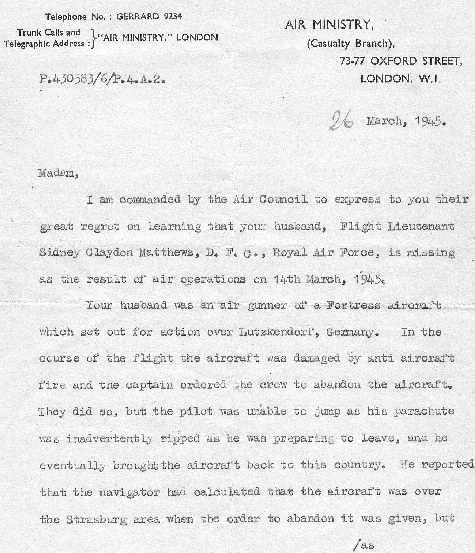
In February 1944, No. 101 Squadron RAF was flying Avro Lancaster bombers equipped with top-secret "Airborne Cigar" (ABC) radio-jamming equipment. |
| 04/03/1944 |
Sculthorpe |
RAF Sculthorpe, Norfolk |
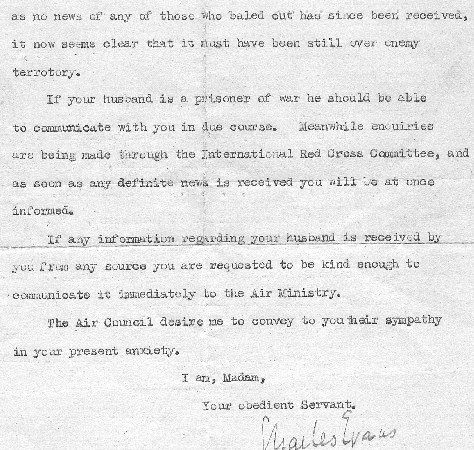
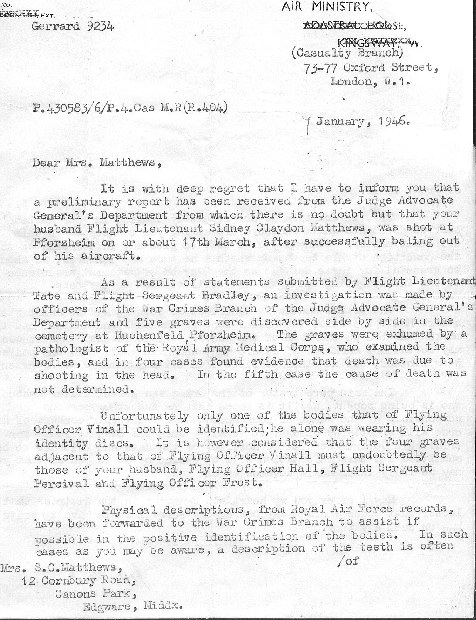
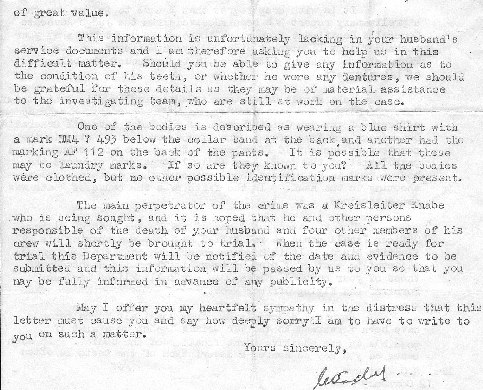
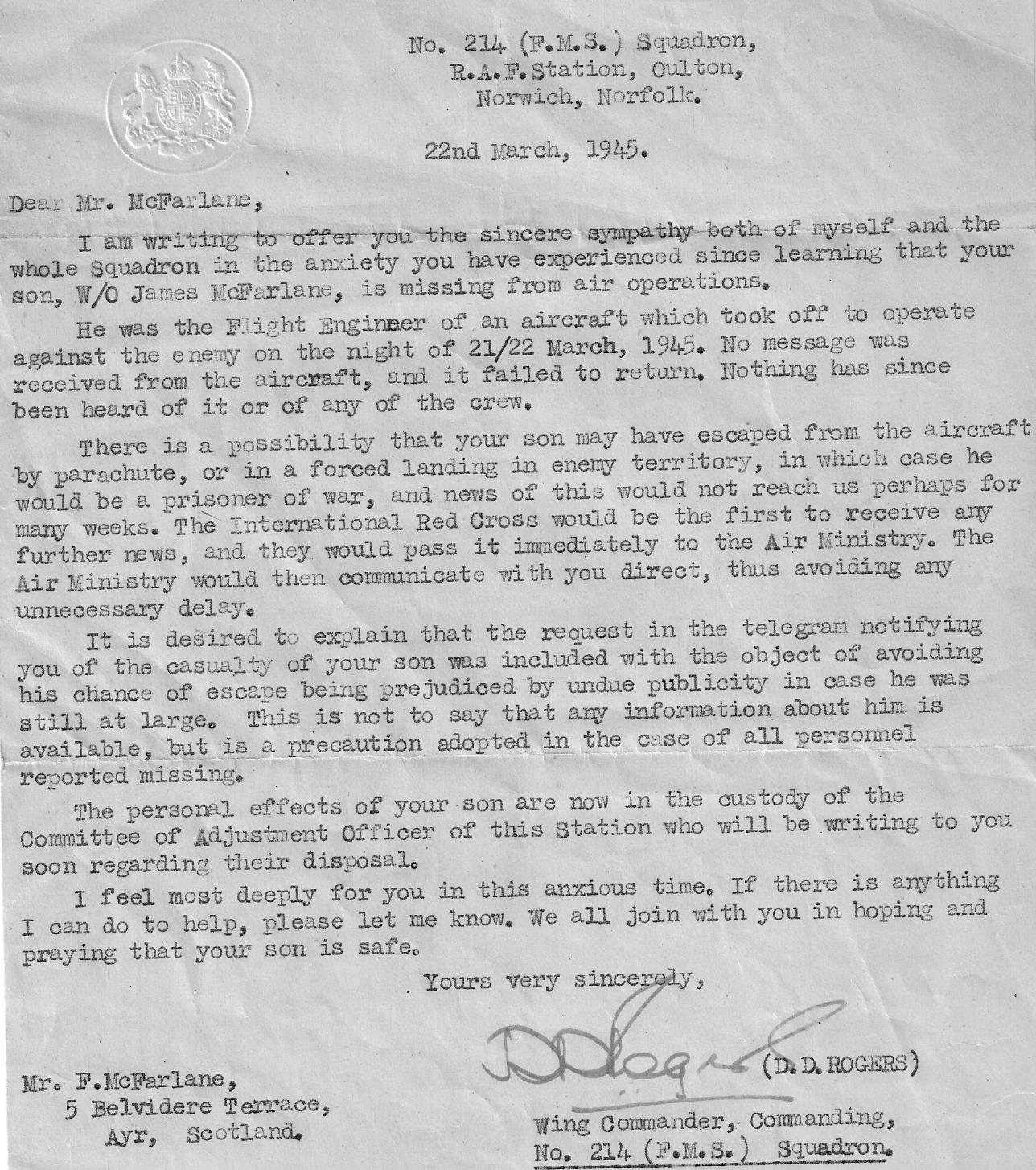
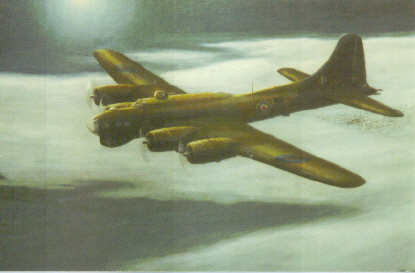
In March 1944, RAF Sculthorpe was a vital center for top-secret Electronic Countermeasures (ECM) and radio-jamming operations managed by No. 100 Group RAF. No. 214 Squadron RAF: Having arrived at the base in January 1944, this squadron spent March preparing and flying modified Boeing Fortress II (B-17) bombers. Rather than carrying traditional payloads, these aircraft were fitted with specialized, top-secret airborne radar-jamming equipment (such as Airborne Cigar or ABC) designed to disrupt German night-fighter communications during Allied bombing raids. |
| 09/03/1944 |
214 Squadron |
RAF Sculthorpe, Norfolk |
|
| 08/08/1944 |
West Raynham |
RAF West Raynham, Norfolk |
Because Sculthorpe was managed under the West Raynham base umbrella at the time, records from personnel often mention the two stations interchangeably. |
| 12/08/1944 |
214 Squadron |
RAF Oulton, Norfolk |
|
| 31/03/1945 |
Oulton |
RAF Oulton, Norfolk |
|
| 18/06/1945 |
North Creake |
RAF North Creake, Norfolk |
|
| 26/06/1945 |
Oulton |
RAF Oulton, Norfolk |
|
| 01/08/1945 |
9 I S |
|
'IS' = Station Intelligence Section. As hostilities ended in 1945, many station intelligence sections shifted toward recording unit histories, assessing bomb damage, or assisting with demobilization. |
| 30/08/1945 |
Foulsham |
|
Foulsham, like many of its counterparts in this region played a major part in the electronic war, monitoring and jamming radar transmissions for larger formations of bombers. |
| 30/08/1945 |
R W E |
RAF Swanton Morley, Norfolk or RAF Watton, Norfolk |
The Radio Warfare Establishment (RWE) was a highly classified unit formed by the RAF toward the end of World War II to centralize electronic warfare and radar countermeasures. On July 21 1945 The RWE was officially established at RAF Swanton Morley in Norfolk. The RWE was tasked with transitioning wartime electronic breakthroughs into a dedicated post-war research, intelligence, and calibration program. In its aircraft fleet It included 7 B17 Fortress aircraft. |
| 30/11/1945 |
HQ 60 Group |
Leighton Buzzard |
Personnel were assigned a Release Group Number based on their age and length of service. The lower the number, the earlier they were sent home. Demobilisation across the RAF officially began in June 1945. |
| 01/12/1945 |
100 P D C |
Uxbridge |
In RAF service records from 1945, 100 P.D.C. stands for No. 100 Personnel Despatch Centre. It served as a transit and processing station where airmen and personnel were sent at the end of World War II to be demobilised. |